
BLOG
InfluencersGoneWild: The Rise and Fall of Social Media Sensations


Introduction to InfluencersGoneWild
In today’s digital age, social media influencers have become the new celebrities, captivating millions with their curated lives and eye-catching content. Enter the phenomenon of #InfluencersGoneWild—a term that encapsulates the dizzying highs and alarming lows experienced by some of these online sensations. With just a single post or viral video, they can skyrocket to fame overnight, only to find themselves facing scrutiny and backlash in what seems like an instant.
The allure of influencer culture is undeniable; it offers a glimpse into glamorous lifestyles filled with travel, luxury items, and seemingly endless opportunities. Yet behind the shiny veneer lies a complex web of challenges that many don’t see coming. As we delve deeper into this trend, we’ll explore not just the rise but also the fall of social media stars who have navigated—or mismanaged—the turbulent waters of public attention. Whether you’re a dedicated follower or simply curious about this world, understanding “InfluencersGoneWild” will shed light on its impact—both positive and negative—on our society today.
The Power of Social Media Influencers
Social media influencers have transformed the digital landscape. They hold the power to sway opinions and shape trends with just a single post.
These individuals, often relatable and charismatic, build strong connections with their followers. Their authenticity creates trust that traditional advertising struggles to achieve. Brands recognize this and leverage influencer partnerships for campaigns.
The reach of these influencers is astounding. A single Instagram story can influence millions in mere minutes. Viral challenges or lifestyle tips spread like wildfire across platforms, captivating audiences everywhere.
Moreover, they amplify voices that might otherwise go unheard. This democratization of fame allows diverse perspectives to flourish online.
However, while their impact is significant, it comes with responsibility. The messages they share can deeply affect how society views beauty standards, mental health, and consumerism. Hence, navigating this powerful realm requires mindfulness from both influencers and their audience alike.
The Dangers of Instant Fame and Fortune
Instant fame can feel intoxicating. One moment, you’re an everyday person; the next, you’re a social media sensation with millions of followers. The allure is undeniable.
However, this rapid rise often comes at a cost. Many influencers find it hard to cope with the sudden attention and scrutiny. Mental health issues such as anxiety and depression frequently arise when one’s life becomes a spectacle for all to see.
Financial gain can be fleeting too. A viral post might lead to lucrative deals today but could fade into obscurity tomorrow. Without sustainable strategies, many influencers struggle to maintain their lifestyle.
Moreover, public perception shifts quickly in the digital realm. One misstep or controversial statement can turn fans into critics overnight, leading to cancellation culture’s harsh realities.
Navigating this whirlwind requires resilience and foresight—qualities that not everyone possesses amid the chaos of instant success.
Case Studies: Famous Influencers and Their Downfalls
The rise and fall of influencers is often a cautionary tale. Take the infamous case of YouTuber Logan Paul, who faced severe backlash after filming a vlog in Japan’s Aokigahara Forest. The incident sparked outrage worldwide, showcasing how quickly fame can turn toxic.
Then there’s Belle Delphine, known for her provocative content and unique marketing strategies. After a brief hiatus from social media, she returned with an explosive comeback that also led to controversies surrounding her business practices and online persona.
Another notable example is Tana Mongeau, whose reckless behavior culminated in the chaotic “TanaCon” event—a disastrous attempt to rival VidCon. It raised questions about responsibility and accountability within influencer culture.
These stories illustrate that even the most popular figures can encounter steep declines when they misstep or lose touch with their audience’s values.
The Impact on Younger Generations
Younger generations are growing up in a digital age where influencers loom large. They witness the glitz of instant fame, often equating it with success. This perception can distort their understanding of hard work and dedication.
Social media platforms become playgrounds for aspirations. Kids see curated lifestyles that seem attainable but rarely showcase reality’s struggles. This disparity can lead to unrealistic expectations about life and career paths.
Moreover, the constant comparison game takes a toll on mental health. Anxiety and self-esteem issues arise when young people measure themselves against seemingly perfect figures online.
InfluencersGoneWild serves as a cautionary tale, reminding us that not all that glitters is gold. Awareness of these pitfalls is crucial for nurturing resilience among youth navigating these turbulent waters of social media culture.
How to Avoid the Pitfalls of Influencer Culture
Navigating the influencer landscape can be tricky. Awareness is key. Recognize that not everything you see online reflects reality.
Set realistic expectations for yourself. Social media success doesn’t happen overnight. Focus on building genuine connections rather than chasing likes or followers.
Prioritize authenticity in your content. Share what truly resonates with you, rather than imitating popular trends just for attention.
Limit your time spent consuming social media to avoid feeling overwhelmed by others’ curated lives. Balance is essential for mental well-being.
Surround yourself with a supportive community, both online and offline. Engage with creators who inspire positive growth and uplift one another instead of fostering competition.
Stay informed about the potential pitfalls of fame and fortune in the digital world to make wiser choices about your personal brand and journey ahead.
Conclusion: Finding Balance in the World of Social Media
Navigating the world of social media can be tricky. The allure of instant fame and fortune often blinds influencers to potential pitfalls. With platforms evolving rapidly, maintaining relevance is a constant challenge.
Finding balance is essential for anyone involved in influencer culture. Authenticity should remain at the forefront. Engaging with followers genuinely fosters loyalty and trust, which are key to long-term success.
Educating younger generations about the realities of online fame is crucial. They need guidance on critical thinking regarding what they see online. This way, they can differentiate between authentic content and superficial trends.
In an age where everything seems possible overnight, it’s important to remember that lasting impact comes from consistent effort and resilience rather than momentary viral sensations. By prioritizing mental health over metrics and focusing on meaningful connections over fleeting engagement, influencers can create sustainable careers without losing themselves in the process.
Finding this balance enriches not only their lives but also those who look up to them as role models in an ever-changing digital landscape.

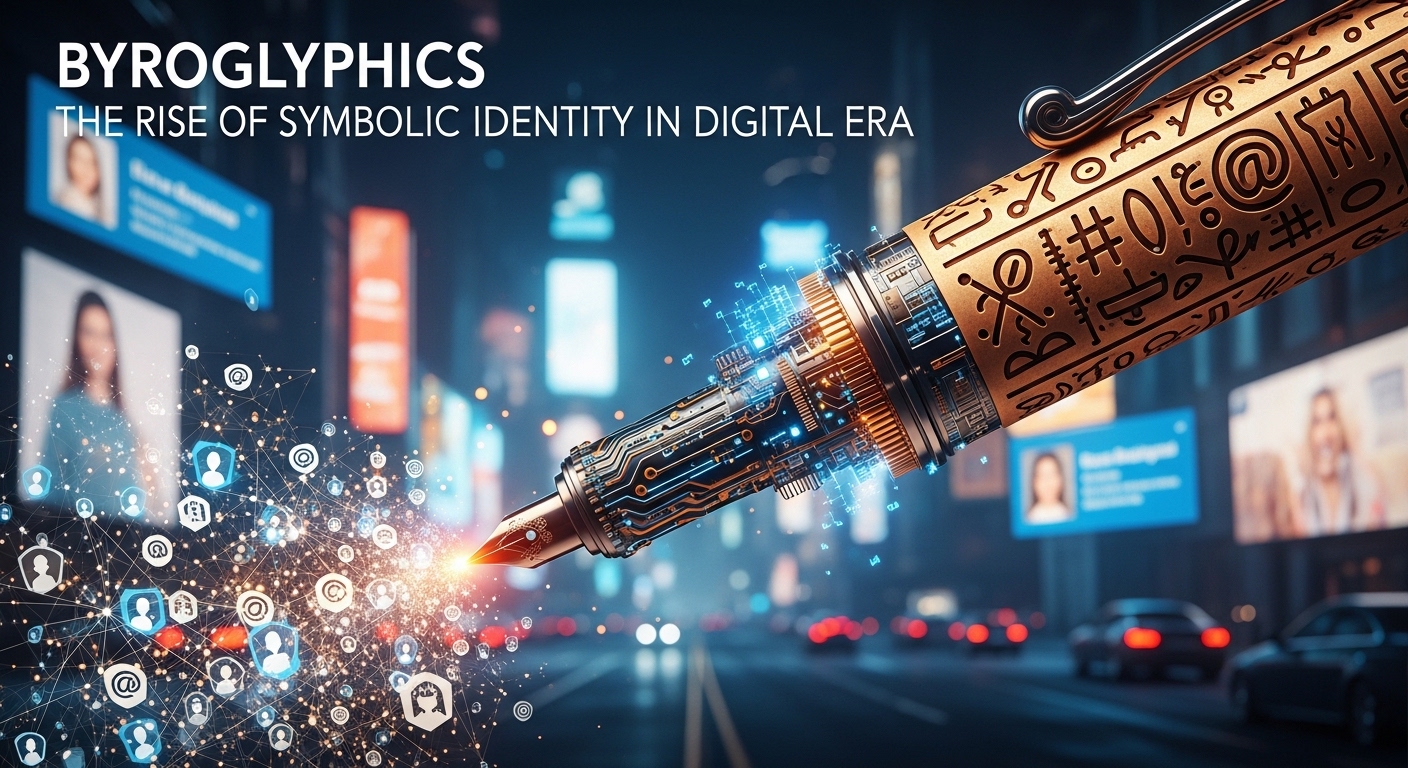
Byroglyphics is emerging as a modern digital concept that explores the evolution of identity through symbols, visuals, and abstract representation in the online world. In an era dominated by social media, content platforms, and digital communities, Byroglyphics reflects how individuals and organizations craft identity beyond text and conventional profiles, using symbols, icons, and visual storytelling to communicate presence, values, and creativity.
What Does Byroglyphics Mean?
Byroglyphics can be understood as a framework for digital identity expressed primarily through symbols, visual motifs, and abstract elements rather than traditional text-based profiles. The concept emphasizes creativity, abstraction, and cultural resonance in shaping identity.
In a broader sense, Byroglyphics represents:
- Symbolic and visual digital identity
- Creative self-expression beyond words
- Platform-driven storytelling through imagery
- Community recognition via symbols and icons
- Evolving and interpretive representation
The Philosophy Behind Byroglyphics
The concept of Byroglyphics is built around three core principles:
Symbolic Communication
Identity is communicated through visuals, symbols, and abstract motifs, allowing nuanced and multi-layered expression that goes beyond text.
Interpretive Presence
Byroglyphics emphasizes the interpretive nature of digital identity—symbols are understood differently across communities and contexts, creating dynamic meaning.
Cultural and Creative Resonance
Identity is enriched when visuals reflect cultural influences, personal creativity, and community relevance. Byroglyphics encourages originality while connecting to broader cultural narratives.
Byroglyphics in the Digital Era
Modern platforms support visual storytelling, iconography, and symbolic engagement. Byroglyphics aligns with this trend by promoting:
- Symbolic avatars and icons
- Visual narratives across platforms
- Creative reinterpretation of identity
- Cross-cultural and community-aware visual language
- Adaptive digital presence through symbolic representation
This approach makes Byroglyphic’s highly relevant for creators, designers, and individuals seeking distinctive digital identity.
The Evolution of Byroglyphics
Byroglyphic’s reflects broader shifts in digital identity:
Early Stage: Text-Based Profiles
Identity was primarily conveyed through usernames, biographies, and textual content.
Transitional Stage: Visual Enhancement
Images, videos, and emojis began augmenting identity, introducing visual language into digital presence.
Modern Stage: Symbolic Identity
Byroglyphic’s represents a stage where symbols, icons, and abstract motifs become central to expressing identity, culture, and creativity.
Why Byroglyphics Matters Today
Byroglyphic’s addresses challenges in modern digital culture:
- Oversaturation of textual content
- Need for distinctive and memorable identity
- Cultural diversity and symbolic interpretation
- Audience engagement through visual resonance
By focusing on symbols and visual storytelling, Byroglyphic’s allows identity to stand out and adapt in complex online ecosystems.
Byroglyphics and Content Creators
Content creators benefit from Byroglyphic’s as it encourages:
- Innovative visual storytelling
- Distinctive symbolic branding
- Interactive audience interpretation
- Multi-platform visual coherence
Byroglyphic’s enables creators to convey identity and culture in ways that transcend words.
Byroglyphics and Community Interaction
Community plays a key role in Byroglyphics:
- Symbols and visuals are interpreted collaboratively
- Shared visual language strengthens identity recognition
- Community-driven trends shape symbolic meaning
- Collective participation enhances cultural resonance
This approach transforms digital identity into an evolving, community-influenced symbolic ecosystem.
The Future of Byroglyphics
As digital culture continues to evolve, Byroglyphic’s may influence:
- Symbol-driven personal and brand identity frameworks
- Interactive and adaptive visual narratives
- Community-driven symbolic languages
- Cross-platform identity cohesion using icons and motifs
Its focus on symbols ensures lasting relevance in the age of visual and cultural digital communication.
Conclusion
Byroglyphics represents the rise of symbolic identity in the digital era. By emphasizing visual storytelling, cultural resonance, and creative expression, it transforms digital presence into a dynamic and interpretable system of symbols. Byroglyphic’s offers a framework for individuals, creators, and communities to communicate identity, culture, and creativity in a visually rich and participatory online world.
FAQ’s
1. What is Byroglyphic’s ?
Byroglyphic’s is a digital identity concept emphasizing symbolic and visual representation over traditional text-based profiles.
2. How does Byroglyphic’s shape digital identity?
It allows identity to be expressed through symbols, visuals, and abstract storytelling, creating multi-layered meaning.
3. Who can use the Byroglyphic’s concept?
Content creators, designers, brands, and digital communities seeking distinctive and symbolic identity.
4. Is Byroglyphic’s tied to a specific platform?
No, it is a flexible concept applicable across multiple digital ecosystems.
5. Why is Byroglyphic’s relevant today?
Because visual and symbolic communication is increasingly central to identity, storytelling, and cultural engagement online.
Olaoma is emerging as a modern digital concept that reflects the evolving relationship between identity, storytelling, and culture within online platforms. In a world where digital ecosystems shape communication, creativity, and community interaction, Olaoma represents a shift toward narrative-driven, interactive, and culturally aware digital presence. It emphasizes that identity is not static but continuously crafted through content, engagement, and participation in platform culture.
What Does Olaoma Mean?
Olaoma can be understood as a conceptual framework for modern digital presence where identity, storytelling, and community intersect. The term emphasizes adaptability, creative expression, and cultural awareness, reflecting how individuals and organizations navigate platforms while maintaining meaningful digital impact.
In a broader sense, Olaoma represents:
- Fluid and evolving digital identity
- Narrative-driven content and expression
- Platform-aware engagement strategies
- Community-driven culture and interaction
- Multi-layered and participatory online presence
Rather than a fixed profile, Olaoma promotes a holistic and evolving approach to digital identity.
The Philosophy Behind Olaoma
The concept of Olaoma is grounded in three core principles:
Identity as a Story
Olaoma views digital identity as a narrative constructed through content, engagement, and community participation. Each interaction contributes to an evolving story.
Storytelling-Centered Presence
Storytelling is at the heart of Olaoma. It encourages consistent and meaningful narratives that reflect values, creativity, and cultural context across platforms.
Platform-Aware Engagement
Olaoma emphasizes the influence of platforms on communication, audience behavior, and cultural trends, promoting adaptive and intentional presence.
Olaoma in Modern Platform Culture
Digital platforms are central to shaping creativity, communication, and cultural interaction. Olaoma aligns with this environment by supporting:
- Cross-platform storytelling and identity integration
- Interactive content and participatory engagement
- Community-driven narrative development
- Culturally reflective and context-aware content
- Adaptive and dynamic digital presence
This approach ensures relevance, engagement, and impact in diverse online ecosystems.
The Evolution of Olaoma
The rise of Olaoma mirrors the broader evolution of digital identity and platform culture:
Early Stage: Static Profiles
Digital identity focused on basic information and limited interaction.
Transitional Stage: Social Media Engagement
Interactive and narrative-driven content became central to identity expression.
Modern Stage: Integrated Identity and Platform Culture
Today, Olaoma represents a dynamic model where identity, storytelling, and platform awareness converge to create meaningful digital presence.
Why Olaoma Matters Today
Olaoma addresses key challenges in modern digital culture:
- Fragmented online identities across platforms
- Rapid content cycles and short attention spans
- The need for authentic cultural engagement
- Building meaningful connections within communities
By emphasizing narrative, adaptability, and platform awareness, Olaoma enables sustainable and impactful digital presence.
Olaoma and Content Creators
Content creators benefit from the Olaoma framework because it supports:
- Multi-platform storytelling strategies
- Creative experimentation and evolution
- Authentic engagement with audiences
- Collaborative narrative-building
Olaoma’s encourages creators to view their digital presence as an evolving story rather than isolated posts.
Olaoma and Community Culture
Community interaction is central to Olaoma’s . It promotes:
- Shared storytelling experiences
- Audience-driven feedback and dialogue
- Participatory and collaborative content creation
- Collective identity and cultural engagement
This approach strengthens connections and fosters vibrant online communities.
The Future of Olaoma
As digital platforms continue to evolve, Olaoma’s may influence:
- Platform-integrated storytelling frameworks
- Adaptive digital identity and branding strategies
- Community-centered content ecosystems
- Culturally aware engagement models
Its flexible and narrative-focused nature ensures ongoing relevance in shaping digital identity and culture.
Conclusion
Olaoma represents a modern approach to digital identity, storytelling, and platform culture. By emphasizing narrative, adaptability, and cultural awareness, it transforms online presence into a dynamic and participatory experience. Olaoma’s provides a meaningful framework for individuals, creators, and organizations to thrive in today’s platform-driven digital landscape.
FAQ’s
1. What is Olaoma?
Olaoma’s is a modern digital concept emphasizing fluid identity, storytelling, and platform-aware engagement.
2. How does Olaoma’s shape digital identity?
It promotes evolving identity through narrative, engagement, and community participation.
3. Who can use the Olaoma’s concept?
Content creators, brands, communities, and individuals seeking meaningful online presence.
4. Is Olaoma’s tied to a specific platform?
No, it is a flexible concept applicable across multiple digital ecosystems.
5. Why is Olaoma’s relevant today?
Because modern digital culture favors narrative-driven identity, adaptive engagement, and culturally aware platform presence.
Introduction to Nativität
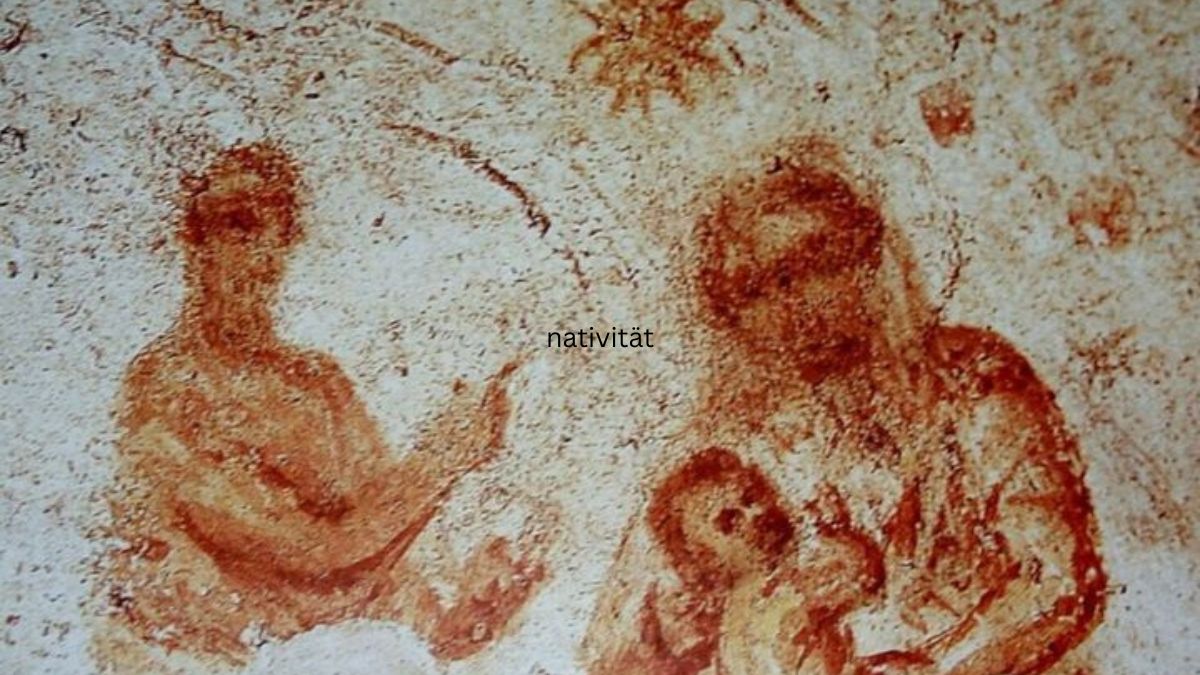
Nativität, a term that evokes warmth and wonder, captures the essence of creativity woven through history. From intricate paintings to captivating sculptures, the theme of Nativität has inspired countless artists across generations. It goes beyond mere representation; it’s a celebration of life, hope, and the divine mystery surrounding birth.
As we embark on this journey through time and culture, let’s uncover how Nativität serves as a canvas for human expression. We will explore its roots in history, its religious significance, and how it has transformed into modern interpretations. Whether you’re an art enthusiast or simply curious about cultural expressions, there’s something profoundly enchanting about understanding how Nativität continues to resonate with audiences today. Join us as we delve deep into this beautiful tapestry of artistic creation!
Historical Background of Nativität
The concept of Nativität, or nativity, has deep historical roots that span centuries. It finds its origins in early Christian traditions, celebrating the birth of Jesus Christ.
In the 4th century, depictions began to emerge through art and literature. These representations shaped how people visualized this significant event.
Medieval Europe saw a surge in nativity scenes as part of Christmas celebrations. Churches displayed intricate carvings and paintings to convey the story to illiterate populations.
Renaissance artists took this further by introducing realism and emotional depth into their nativitäts. Their works emphasized tenderness and humanity.
By the Baroque period, theatrical presentations became popular. Live-action nativity plays brought communities together for joyous festivities.
This rich history showcases an evolving narrative that reflects cultural shifts over time. Each era added layers to the understanding of Nativität’s significance in society.
Religious Significance of Nativität
Nativität holds deep religious significance, especially within Christianity. It symbolizes the birth of Jesus Christ, marking a pivotal moment in human history. Celebrations surrounding this event are rooted in faith and tradition.
The Nativity scene illustrates not just the humble beginnings of Christ but also themes of hope and redemption. Each figure—Mary, Joseph, the shepherds—carries profound meaning. They represent humility, devotion, and the arrival of divine grace.
During Advent and Christmas seasons, Nativität art inspires reflection on spiritual beliefs. Churches often display intricate nativity scenes to engage congregants visually and emotionally.
Moreover, nativität transcends geography and culture. Various Christian denominations interpret its significance uniquely while retaining core messages about love and compassion. This shared reverence fosters unity among diverse communities around the world.
As families set up their own nativity displays at home or attend services featuring these artworks, they actively participate in a centuries-old tradition that enriches their faith journey.
Different Forms of Nativität Art
Nativität art comes in various forms, each reflecting unique cultural interpretations. From intricately carved wooden nativity scenes to stunning glass figurines, creativity knows no bounds.
In many cultures, paintings depict the Holy Family with vibrant colors and detailed backgrounds. These artworks often tell a story beyond the nativity itself, incorporating local traditions and landscapes.
Sculpture is another captivating medium. Clay or stone figures are crafted to convey emotion and spirituality. Each piece invites viewers to connect personally with its message.
Textile arts also shine brightly within nativität expressions. Quilts adorned with nativity motifs serve both as functional pieces and artistic statements.
Modern adaptations include digital art that reimagines classic scenes for contemporary audiences. This blend of tradition and innovation keeps nativität alive in today’s world, bridging generations through artistic expression.
Famous Artists and their Contributions to Nativität Art
Throughout history, several renowned artists have left an indelible mark on Nativität art. Each has brought their unique perspective and style to this sacred theme.
One notable figure is Giotto di Bondone. His frescoes in the Scrovegni Chapel depict the Nativity with a sense of realism that was groundbreaking for his time. Giotto’s focus on human emotion makes these scenes deeply relatable.
Another influential artist, Michelangelo, approached Nativität through sculpture. His breathtaking works capture the divine essence of Christ’s birth while emphasizing beauty and form.
In more contemporary contexts, artists like Marc Chagall infused vibrant colors and whimsical styles into traditional nativity scenes. His interpretations resonate emotionally with viewers across cultures.
Each of these creatives has contributed uniquely to the rich tapestry of Nativität art, ensuring its relevance through centuries and inspiring future generations to explore its profound themes.
Modern Interpretations of Nativität
Modern interpretations of Nativität bring fresh perspectives to traditional themes. Artists today explore diverse mediums, blending classic narratives with contemporary techniques.
Some create digital art that captures the essence of Nativität in vibrant colors and innovative styles. Others use mixed media, combining photography, painting, and sculpture to tell their stories.
Street artists have also made their mark by incorporating elements of urban culture into their depictions. These works challenge conventional representations while resonating deeply with modern audiences.
Social issues often find a place within these interpretations as well. Artists address topics like migration and community through the lens of Nativität, bridging historical significance with current realities.
These creative expressions invite viewers to engage emotionally and intellectually. They foster dialogue about faith, family, and cultural identity in today’s rapidly changing world.
How Nativität Has Evolved Over Time
Nativität has undergone a remarkable transformation throughout history. Early depictions were often simplistic and focused solely on the nativity scene’s core elements: Mary, Joseph, and the infant Jesus.
As time progressed, artists incorporated more intricate details. The backgrounds became lush with landscapes and architecture, reflecting contemporary life in different eras.
The Renaissance brought about an explosion of creativity. Artists like Michelangelo and Raphael infused their works with emotion and realism. This marked a shift toward celebrating the humanity of the figures involved.
In modern times, nativität art has embraced diverse styles—everything from abstract interpretations to vibrant street murals. Artists now explore cultural variations, integrating traditions from around the globe into their work.
Technological advancements also play a role in how nativität is expressed today. Digital mediums allow for innovative designs that reach wider audiences than ever before.
Impact of Technology on Nativität Art
The impact of technology on Nativität art has been profound and transformative. Digital tools have opened up new avenues for artists, allowing them to create intricate designs that may not have been possible with traditional methods.
3D printing, for instance, enables the crafting of detailed nativity scenes that capture every nuance. Artists can experiment with materials and textures in ways they couldn’t before.
Virtual reality is another exciting frontier. It allows viewers to immerse themselves in a digital representation of the nativity scene, providing an interactive experience that breathes life into this age-old tradition.
Social media platforms also play a critical role in showcasing nativität art worldwide. Artists can share their creations instantly, reaching audiences far beyond their local communities. This connectivity fosters collaboration and inspires new interpretations across cultures.
As technology continues to evolve, so too will the expressions of Nativität art—blending past traditions with future possibilities.
The Cultural Significance of Nativität Art
Nativität art transcends mere representation; it embodies a rich tapestry of cultural narratives. Each piece tells stories that resonate across generations, intertwining local traditions with universal themes of hope and renewal.
In various cultures, nativitäts figures reflect regional styles and materials. From intricate wooden carvings in Latin America to vibrant nativity scenes crafted from clay in Europe, the diversity is striking.
These artworks serve as focal points during festive gatherings, inviting communities to engage in shared rituals. They foster connections among families and friends while sparking conversations about faith, love, and humanity.
Moreover, nativität art often adapts to contemporary societal issues. Artists infuse modern symbolism into traditional depictions, making them relevant for today’s audience. This evolution showcases the enduring power of these creations to inspire reflection and dialogue within society.
Conclusion
Nativität, with its deep-rooted history and artistic evolution, continues to inspire and resonate across cultures. From medieval depictions in cathedrals to contemporary reinterpretations found in galleries worldwide, the expression of nativität reflects both spiritual significance and cultural narratives.
As we navigate through different forms—be it paintings, sculptures, or digital art—we uncover layers of meaning that speak to diverse audiences. Artisans over the centuries have contributed unique perspectives that enrich our understanding of this sacred theme.
Today’s artists utilize modern technology to push boundaries while honoring traditional elements. This fusion creates dynamic works that appeal to a new generation yet remain grounded in historical contexts.
The impact of nativität transcends mere aesthetics; it invites viewers into a dialogue about faith, heritage, and human experience. As time progresses, so too will the interpretations of this timeless subject matter.
Embracing both past influences and future possibilities allows us all to appreciate the enduring legacy of nativität art—a celebration not just confined within religious walls but one that extends into everyday life and culture at large.
-
 BLOG1 week ago
Haskawana: The Emerging Idea Shaping Modern Digital Thinking
-
 BLOG1 week ago
Gonewing: The Emerging Concept Shaping Modern Digital Innovation
-

 ENTERTAINMENT1 week ago
Why MagFuseHub.com Is Worth Watching in the Digital Space
-

 HEALTH1 week ago
Goutabio: Revolutionizing Health with Natural Solutions
-
 HOME1 week ago
Wollwirrware: The Growing Culture Around Community
-

 BLOG1 week ago
Leslie Knipfing: Age, Height, Net Worth, and Biography
-

 HOME1 week ago
Enclomiphene: Hidden Science Behind Natural Testosterone Boost
-

 HEALTH1 week ago
Cellulogia: The Hidden Cellulite Treatment Method