
BLOG
What Is 192.1y8.1.1? Complete Beginner’s Guide


I’ll start with the big question: what exactly is 192.1y8.1.1? In practice, people encounter this string as a version-like identifier or a shorthand label inside documentation, dashboards, and changelogs. While it resembles an IP address at first glance, it is not a standard IPv4 or IPv6 address. Instead, you can think of 192.1y8.1.1 as a human-readable tag—often used to pin a feature set, policy revision, firmware build, or configuration profile—so that teams can talk about “the same thing” without ambiguity.
Why 192.1y8.1.1 Matters
In a world full of moving parts—apps, devices, policies—labels do the heavy lifting. Here’s why a well-structured tag such as 192.1y8.1.1 earns its keep:
- Traceability: You can pinpoint which configuration or feature set was active when an issue occurred.
- Governance: Audit teams can connect approvals and risk assessments to a specific version.
- Rollbacks: If something breaks, you can roll back to the exact prior state instead of a guess.
- Communication: Stakeholders speak the same language in tickets, sprints, and release notes.
I lean on these identifiers any time I’m coordinating cross-team changes or validating that environments match.
Common Use Cases
Software and Firmware Releases
Engineering teams often adopt identifiers like 192.1y8.1.1 to label internal builds or release candidates. The pattern accommodates:
- Major track (192)
- Experimental branch or channel (1y8)
- Patch iteration (1.1)
This helps QA confirm which artifacts were tested and which fixes shipped to production.
Policy and Compliance Revisions
Compliance frameworks evolve. A tag such as 192.1y8.1.1 can denote a specific ruleset for access control, data retention, or logging. When auditors ask, “Which controls were in force on that date?” you can answer with confidence.
Network and Infrastructure Templates
While the label looks like an IP, in practice it may represent a template ID for infrastructure-as-code modules, cloud security groups, or container runtime profiles. Teams bind their deployments to the tag so that every environment pulls the same, verified template.
How to Interpret 192.1y8.1.1 in Your Context
Because meanings vary, I use a short checklist before documenting or acting on a label:
- Source the owner: Who created and maintains 192.1y8.1.1 (product, platform, or compliance)?
- Read the changelog: What changed from the prior tag? Look for breaking changes, deprecations, and security notes.
- Confirm scope: Does it apply to all regions/environments, or only a subset (e.g., staging only)?
- Map dependencies: Which services, APIs, or hardware require this label to stay compatible?
- Define lifecycle: When does 192.1y8.1.1 reach end of support, and what’s the successor?
If any of these answers are missing, I pause rollouts until we fill the gaps.
Best Practices for Managing Version-Like Labels
Establish a Naming Convention
- Use consistent separators (dots or hyphens) and avoid look-alike characters.
- Reserve a slot for emergency patches so you don’t bump major numbers unnecessarily.
- Document examples and counterexamples so new team members learn fast.
Maintain a Single Source of Truth
- Keep a central registry (a simple JSON, a wiki page, or a catalog service) for live tags like 192.1y8.1.1.
- Link each tag to release notes, test results, and approval records.
- Automate status: mark deprecated, active, and superseded states clearly.
Automate Validation and Drift Detection
- Add CI checks to block merges that reference unknown or deprecated tags.
- Use policy-as-code to assert that environments run the intended label.
- Trigger alerts if runtime configs drift from 192.1y8.1.1 to an unapproved value.
Troubleshooting With 192.1y8.1.1
When something goes sideways, I follow a tight loop:
- Verify the tag: Confirm the system truly runs 192.1y8.1.1 (don’t trust screenshots).
- Compare diffs: What changed since the last known-good label? Focus on security and dependency updates.
- Reproduce: Spin up an isolated environment pinned to the same tag.
- Roll back or hotfix: If severity is high, revert fast; otherwise, ship a small patch like 192.1y8.1.2.
- Document lessons: Update runbooks so future incidents resolve in minutes, not hours.
Security Considerations
- Access control: Limit who can create, promote, or deprecate tags. Use code review and approvals.
- Integrity: Sign artifacts and store checksums associated with 192.1y8.1.1 so you can verify provenance.
- Exposure: Avoid leaking internal tags to public logs or screenshots if they reveal architecture details.
- Least privilege: Ensure services bound to the tag only receive the permissions that version requires.
Documentation Essentials
Great documentation turns a cryptic string into shared understanding:
- Plain-language summary: What does 192.1y8.1.1 represent, in one sentence?
- Change history: Date, owner, purpose, risk, and rollback plan.
- Compatibility matrix: Supported OS versions, libraries, and endpoints.
- Operational runbook: Deploy, verify, roll back, and monitor.
Getting Started Checklist
- Locate the owner and documentation for 192.1y8.1.1
- Confirm the environments it applies to
- Read the latest changelog and risk notes
- Validate dependencies and backward compatibility
- Run a canary or staged rollout
- Monitor key metrics and error rates
- Plan end-of-life and the upgrade path to the next tag
FAQ’s
Is 192.1y8.1.1 an IP address?
No. The presence of the letter “y” breaks the IPv4 pattern, and it doesn’t match IPv6 either. Treat it as a label, not a routable address.
Can I use semantic versioning rules for it?
Yes—if your team agrees. Map major/minor/patch to your three logical parts and stick to it.
How do I reference it in code safely?
Store it in configuration, not source. Use environment variables or parameter stores so you can swap it without redeploying.
What if multiple teams need different settings under the same tag?
Avoid overloading. Create a clear variant like 192.1y8.1.1-a and document the divergence to prevent confusion.
Final Thoughts
A label like 192.1y8.1.1 is only as useful as the clarity behind it. When I treat it as a disciplined, documented contract between teams—complete with ownership, changelogs, and automation—it becomes a powerful tool for reliability, audits, and speed. Start simple, write things down, and let the process carry the weight so your teams can ship with confidence.

Esséce is an emerging conceptual term often used in discussions about identity, branding, and lifestyle expression. It is not a standardized dictionary word, but rather a modern stylistic idea associated with authenticity, personal presence, and how individuals or brands define “who they are” in a digital and cultural environment.
Meaning of Esséce
The term “Esséce” is generally interpreted as a stylized form of “essence,” referring to:
- The true core of a person or brand
- Authentic identity beyond appearance
- A consistent personal or brand expression
- Emotional and visual identity alignment
It is commonly used in creative, marketing, and self-development contexts.
Esséce in Lifestyle
In lifestyle contexts, Esséce focuses on how individuals express their identity through daily choices.
Key Aspects:
- Personal style and fashion
- Values and belief systems
- Habits and routines
- Social presence and communication style
It emphasizes living in alignment with one’s inner identity rather than external pressure.
This connects closely with ideas in Lifestyle Psychology, which explores how personal choices reflect identity and well-being.
Esséce in Branding
In branding, Esséce refers to the core identity of a brand that shapes how it is perceived by others.
Brand Esséce Includes:
- Visual identity (logos, colors, design style)
- Brand voice and messaging
- Emotional connection with audience
- Consistency across platforms
A strong Esséce helps a brand become recognizable and trustworthy.
Why Esséce Matters in Modern Digital Culture
In today’s online world, identity is no longer just physical—it is also digital. Esséce matters because:
- People build personal brands on social media
- Businesses compete for emotional connection, not just products
- Authenticity is valued more than polished advertising
- Online identity influences reputation and opportunities
Platforms like Instagram and TikTok play a major role in shaping this digital identity expression.
Esséce in Personal Branding
For individuals, Esséce helps define how they present themselves online and offline.
It includes:
- Personal storytelling
- Content style and tone
- Visual aesthetics
- Communication patterns
Creators, influencers, and entrepreneurs often build their success by maintaining a strong and consistent Esséce.
Key Characteristics of Esséce
A strong Esséce typically includes:
- Authenticity: staying true to identity
- Consistency: uniform expression across platforms
- Emotional clarity: clear message and tone
- Recognition: easily identifiable style or presence
- Purpose: meaningful direction behind expression
Esséce vs Traditional Branding
| Aspect | Traditional Branding | Esséce Concept |
|---|---|---|
| Focus | Market image | True identity |
| Style | Structured marketing | Organic expression |
| Goal | Sales and recognition | Authentic connection |
| Approach | External positioning | Internal essence |
Applications of Esséce Concept
1. Personal Development
Helps individuals understand their core identity and values.
2. Business Branding
Used to create emotionally strong and authentic brand identities.
3. Content Creation
Guides creators in building a consistent online presence.
4. Creative Industries
Influences fashion, design, music, and storytelling.
Challenges of Maintaining Esséce
- Pressure to follow trends instead of authenticity
- Over-commercialization of personal identity
- Difficulty in maintaining consistency
- Confusion between image and true self
Balancing authenticity with visibility is a key challenge.
FAQ’s
1. What does Esséce mean?
It refers to the core identity or essence of a person or brand expressed through lifestyle and branding.
2. Is Essé ce a real word?
It is a stylized or conceptual term, not a standard dictionary word.
3. How is Ess éce used in branding?
It defines the emotional and visual identity of a brand.
4. Why is Esséce important?
It helps create authentic, consistent, and meaningful identity expression.
5. Who uses the concept of Ess éce?
Creators, marketers, designers, and individuals focused on personal branding.
Conclusion
Esséce represents a modern way of understanding identity—where lifestyle, personality, and branding come together into a unified expression of authenticity. In both personal and professional contexts, it emphasizes staying true to one’s core essence while communicating it clearly to the world.

In today’s competitive retail and fashion industry, continuous employee training is essential for maintaining brand quality, customer service standards, and operational efficiency. Liliteenseña is a corporate learning initiative designed for teams within the Lili Pink and YOI ecosystem, focusing on structured training, skill development, and organizational growth.
What is Liliteenseña?
Liliteenseña is a digital learning and training system created to support employees of Lili Pink and YOI brands. It functions as a corporate learning environment where staff can access training modules, product knowledge, and professional development resources.
Its main goal is to ensure that employees across different stores and departments maintain a consistent brand experience and service quality.
Core Purpose of Liliteenseña
Liliteenseña is designed to:
- Improve employee performance
- Standardize customer service across locations
- Strengthen product knowledge
- Support internal communication and learning
- Encourage continuous professional development
Key Features of Liliteenseña
1. Structured Learning Modules
Employees can access organized courses covering sales techniques, customer service, and brand identity.
2. Product Knowledge Training
Staff learn detailed information about lingerie, fashion products, and seasonal collections.
3. Interactive Learning System
Training often includes quizzes, assessments, and interactive content to improve retention.
4. Mobile-Friendly Access
Employees can complete training from different devices, making learning flexible and accessible.
5. Performance Tracking
Managers can monitor progress and identify areas where additional training is needed.
Importance for Lili Pink and YOI Teams
Consistent Brand Experience
Customers receive the same level of service across all stores.
Improved Sales Skills
Employees learn how to better understand customer needs and recommend products effectively.
Faster Onboarding
New staff can quickly adapt to company standards and procedures.
Stronger Team Alignment
All employees stay updated on brand values, campaigns, and product launches.
How Liliteenseña Works
The system typically follows a structured learning path:
- Employees log into the platform
- Select assigned training modules
- Complete lessons and interactive exercises
- Pass assessments or quizzes
- Receive feedback and progress updates
This step-by-step system ensures continuous improvement and accountability.
Benefits of Liliteenseña
For Employees
- Easy access to learning materials
- Skill development opportunities
- Better career growth prospects
For Managers
- Simplified training management
- Performance monitoring tools
- Standardized onboarding process
For the Company
- Stronger brand consistency
- Higher customer satisfaction
- Improved sales performance
Corporate Learning in the Retail Industry
Platforms like Liliteenseña represent a broader trend in retail education, where companies invest in internal digital learning systems rather than traditional classroom training.
Similar systems are used globally by major brands to:
- Train sales teams
- Improve customer engagement
- Maintain operational consistency
Challenges of Corporate Learning Platforms
While effective, systems like Liliteenseña may face challenges such as:
- Ensuring employee engagement
- Keeping training content updated
- Balancing work and learning time
- Adapting to different learning speeds
Future of Liliteenseña
Corporate learning platforms are expected to evolve with:
- AI-powered personalized training
- Gamified learning experiences
- Real-time performance analytics
- Virtual reality-based training simulations
These advancements could make employee training more interactive and efficient.
Conclusion
Liliteenseña is an important corporate learning initiative supporting the development of employees within Lili Pink and YOI. By offering structured, accessible, and performance-driven training, it helps improve both employee skills and overall brand consistency.
In a fast-paced retail environment, such platforms are essential for ensuring long-term growth and customer satisfaction.
FAQ’s
1. What is Liliteenseña?
It is a corporate learning platform for employees of Lili Pink and YOI brands.
2. Who uses Liliteenseña?
It is used by staff and teams within Lili Pink and YOI retail operations.
3. What does it teach?
It covers sales skills, product knowledge, customer service, and brand training.
4. Is it online or offline?
It is primarily a digital learning platform accessible online.
5. Why is it important?
It helps maintain consistent service quality and improves employee performance.
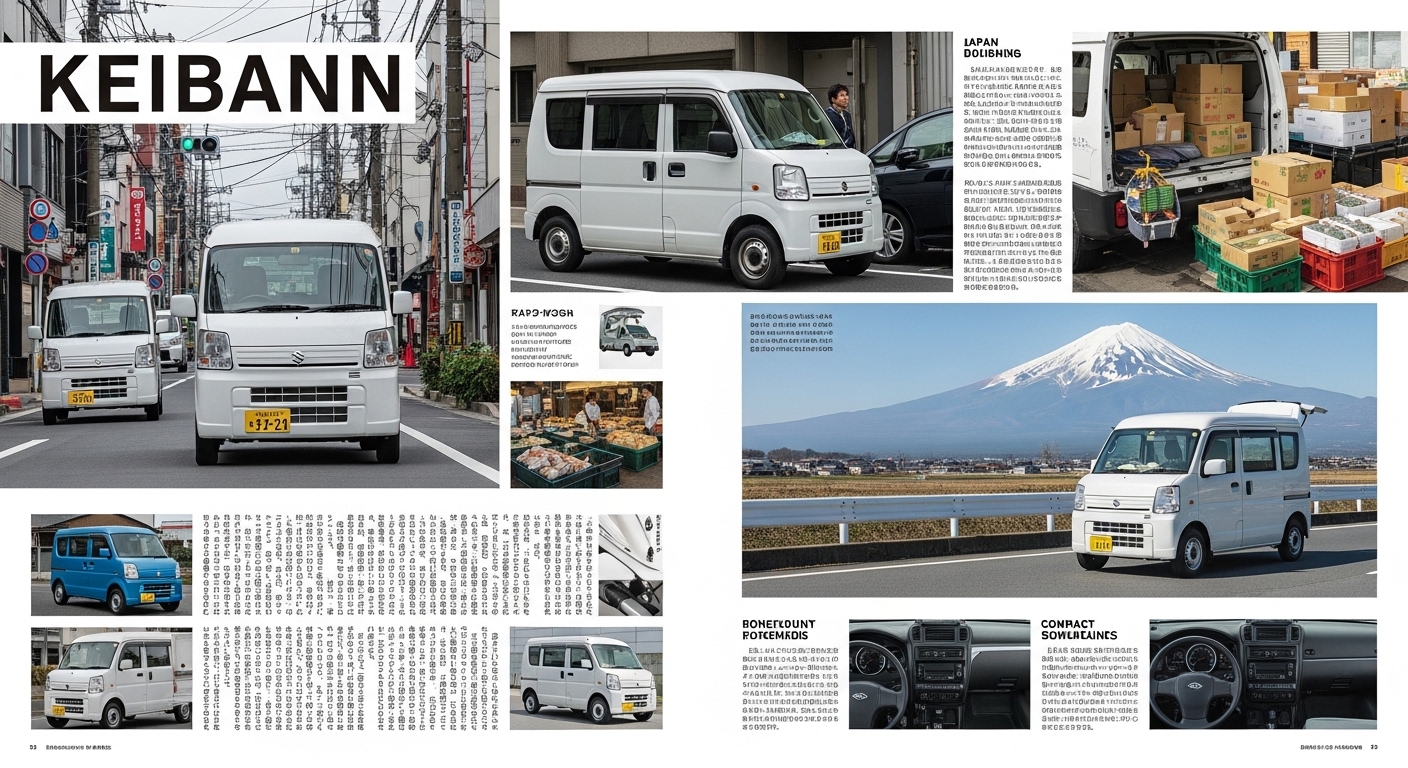
In Japan’s highly efficient transportation and logistics system, keibann (軽バン)—a category of light-duty delivery vans—play a crucial role. Built under Japan’s kei vehicle regulations, these compact vans are designed for urban mobility, fuel efficiency, and cost-effective cargo transport. They are especially popular among small businesses, couriers, and last-mile delivery services.
What is a Keibann?
A keibann refers to a kei-class light commercial van used primarily for transporting goods. “Kei” vehicles in Japan are a regulated category of ultra-compact vehicles that must meet strict limits on:
- Engine size
- Vehicle dimensions
- Weight
Keibann models are optimized for city driving, narrow streets, and frequent stop-and-go deliveries.
Key Features of Keibann Vans
1. Compact Size
Keibann vans are small enough to navigate tight urban roads and parking spaces easily.
2. Fuel Efficiency
Designed with small engines, they offer excellent mileage, reducing operational costs for businesses.
3. Sliding Doors
Most models include sliding side doors for easy loading and unloading in tight spaces.
4. Flat Cargo Space
The interior is designed with a flat, box-like cargo area for maximum storage efficiency.
5. Low Operating Costs
Insurance, taxes, and maintenance costs are significantly lower compared to larger commercial vans.
Popular Keibann Models in Japan
Some of the most widely used keibann models include:
- Suzuki Every
- Honda Acty
- Daihatsu Hijet
- Nissan NV100 Clipper
These vehicles are commonly used for delivery services, small business logistics, and rural transport.
Common Uses of Keibann Vans
Delivery Services
Used by courier companies for last-mile delivery in crowded cities.
Small Businesses
Ideal for transporting goods such as food, tools, or retail stock.
Rural Transport
In countryside areas, they are used for farming supplies and daily transport needs.
Mobile Services
Some businesses convert keibann vans into mobile shops or service units.
Why Keibann Vans Are So Popular in Japan
Urban Efficiency
Japan’s cities are dense, making compact vehicles highly practical.
Strict Kei Regulations
Government policies encourage the use of small, efficient vehicles.
Cost Savings
Lower fuel consumption and taxes make them economically attractive.
Versatility
They can be used for both commercial and personal purposes.
Limitations of Keibann Vehicles
Despite their advantages, keibann vans also have drawbacks:
- Limited engine power
- Small cargo capacity compared to full-size vans
- Not ideal for high-speed highway logistics
- Restricted by kei vehicle size regulations
Keibann vs Regular Delivery Vans
| Feature | Keibann Vans | Standard Vans |
|---|---|---|
| Size | Very compact | Larger |
| Fuel efficiency | High | Moderate |
| Cargo space | Limited | High |
| Cost | Low | Higher |
| Urban usability | Excellent | Moderate |
Role in Modern Logistics
Keibann vans are a backbone of Japan’s last-mile delivery ecosystem, especially with the rise of e-commerce. Their ability to navigate narrow streets and deliver efficiently makes them essential for companies competing in fast delivery markets.
Future of Keibann Vans
The future of keibann vehicles is evolving with:
- Electric kei vans
- Autonomous delivery systems
- Smart logistics integration
- Improved battery efficiency
Manufacturers are already developing electric versions to align with sustainability goals.
Conclusion
Keibann vans are a vital part of Japan’s transportation infrastructure. Their compact design, efficiency, and affordability make them ideal for urban logistics and small business operations. While limited in size and power, their practicality ensures they remain indispensable in modern delivery systems.
FAQ’s
1. What is a keibann?
A keibann is a small Japanese kei-class delivery van designed for light commercial transport.
2. Why are keibann vans so popular?
They are cheap to run, fuel-efficient, and perfect for narrow city streets.
3. Are kei bann vans only used in Japan?
Mostly yes, but some are exported and used in other countries.
4. Can kei bann vans carry heavy loads?
No, they are designed for light-duty transport only.
5. Are electric kei bann vans available?
Yes, manufacturers are developing and introducing electric models.
-

 HEALTH1 month ago
Goutabio: Revolutionizing Health with Natural Solutions
-

 HOME1 month ago
Wollwirrware: The Growing Culture Around Community
-

 ENTERTAINMENT1 month ago
Why MagFuseHub.com Is Worth Watching in the Digital Space
-
 BLOG1 month ago
Gonewing: The Emerging Concept Shaping Modern Digital Innovation
-
 BLOG1 month ago
Haskawana: The Emerging Idea Shaping Modern Digital Thinking
-

 BLOG1 month ago
Leslie Knipfing: Age, Height, Net Worth, and Biography
-

 HOME1 month ago
Enclomiphene: Hidden Science Behind Natural Testosterone Boost
-

 BLOG1 month ago
Noelle Inguagiato: Life After Divorce and Her Path Beyond the Spotlight